
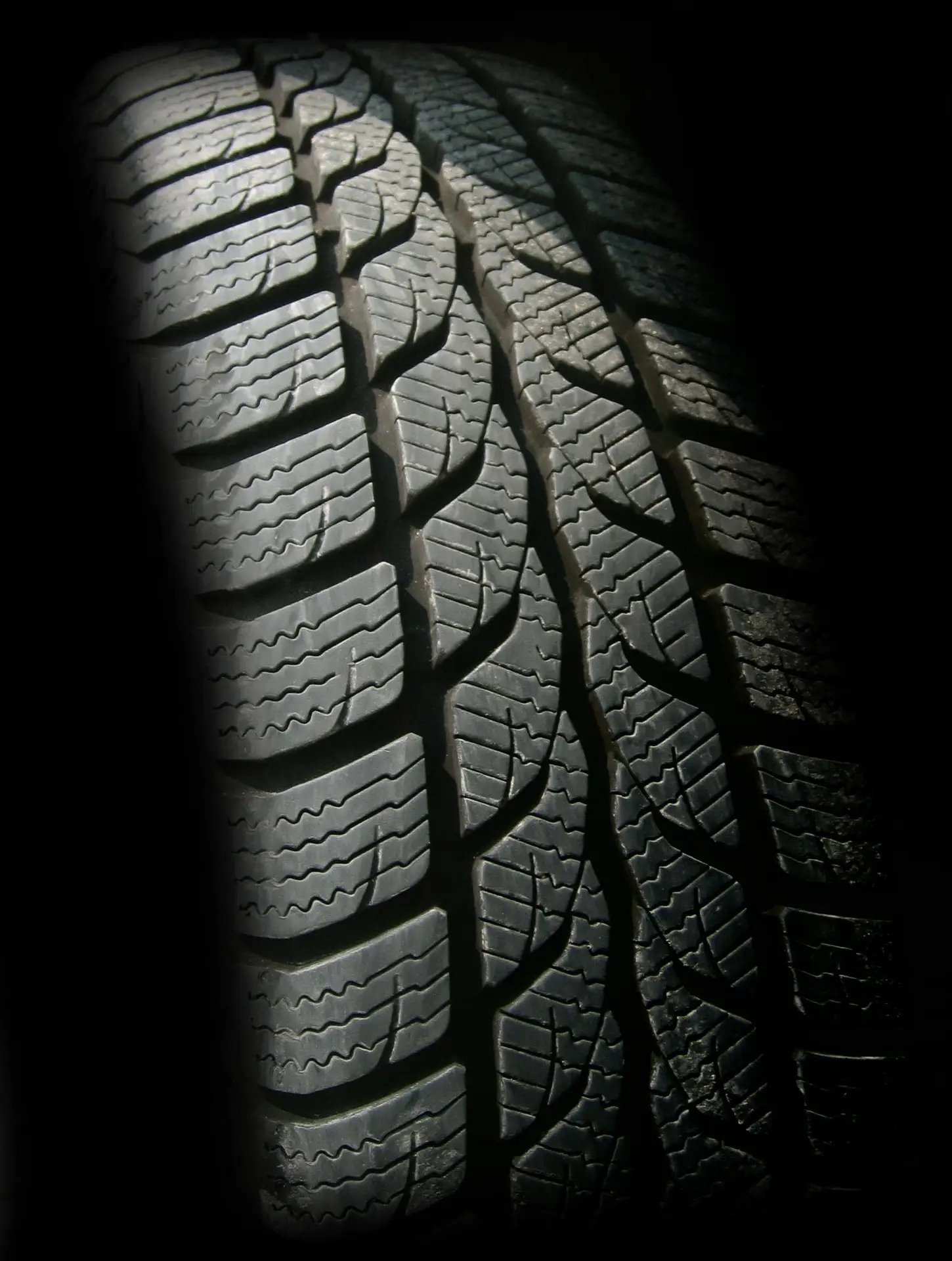

Tire Maintenance
Often overlooked in the grand scheme of vehicle maintenance, tires play a pivotal role in ensuring a safe and enjoyable driving experience. As the sole point of contact between the vehicle and the road, tires bear the immense responsibility of providing traction, stability, and control.
Properly maintained tires are crucial for optimal vehicle performance and safety. They significantly impact fuel efficiency, contributing to lower fuel consumption and reduced environmental impact. Worn tires, on the other hand, increase rolling resistance, forcing the engine to work harder, leading to decreased fuel economy and increased emissions.
Beyond fuel efficiency, tire condition directly influences a vehicle’s handling and braking capabilities. Tires with adequate tread depth provide essential grip on various road surfaces, ensuring optimal braking performance in both dry and wet conditions. Worn tires, with diminished tread depth, significantly reduce braking distance, increasing the risk of accidents.
Moreover, tire maintenance is crucial for driver safety and comfort. Properly inflated tires enhance steering response and stability, providing drivers with greater control over their vehicles, especially during sudden maneuvers or in challenging road conditions. Conversely, underinflated tires can lead to instability, making the vehicle more prone to swaying or fishtailing, particularly at higher speeds.
Maintaining tire health involves several key practices. Regular tire pressure checks are essential, as underinflated or overinflated tires can lead to premature wear, reduced fuel efficiency, and compromised handling. Maintaining the recommended tire pressure, as specified in the vehicle’s owner’s manual, ensures optimal performance and safety.
Tire rotation is another crucial aspect of tire maintenance. By regularly rotating tires, drivers can ensure even wear across all tires, prolonging their lifespan and improving overall performance.
Visual inspections for signs of wear and tear, such as uneven wear patterns, cuts, or bulges, are also important. Identifying and addressing these issues promptly can prevent potential tire failures and ensure continued safety.
In conclusion, tires are often underestimated components of a vehicle, yet they play an indispensable role in ensuring safety, performance, and fuel efficiency. By prioritizing regular tire maintenance, including pressure checks, rotation, and visual inspections, drivers can significantly enhance their overall driving experience, improve vehicle safety, and contribute to a more sustainable future.