
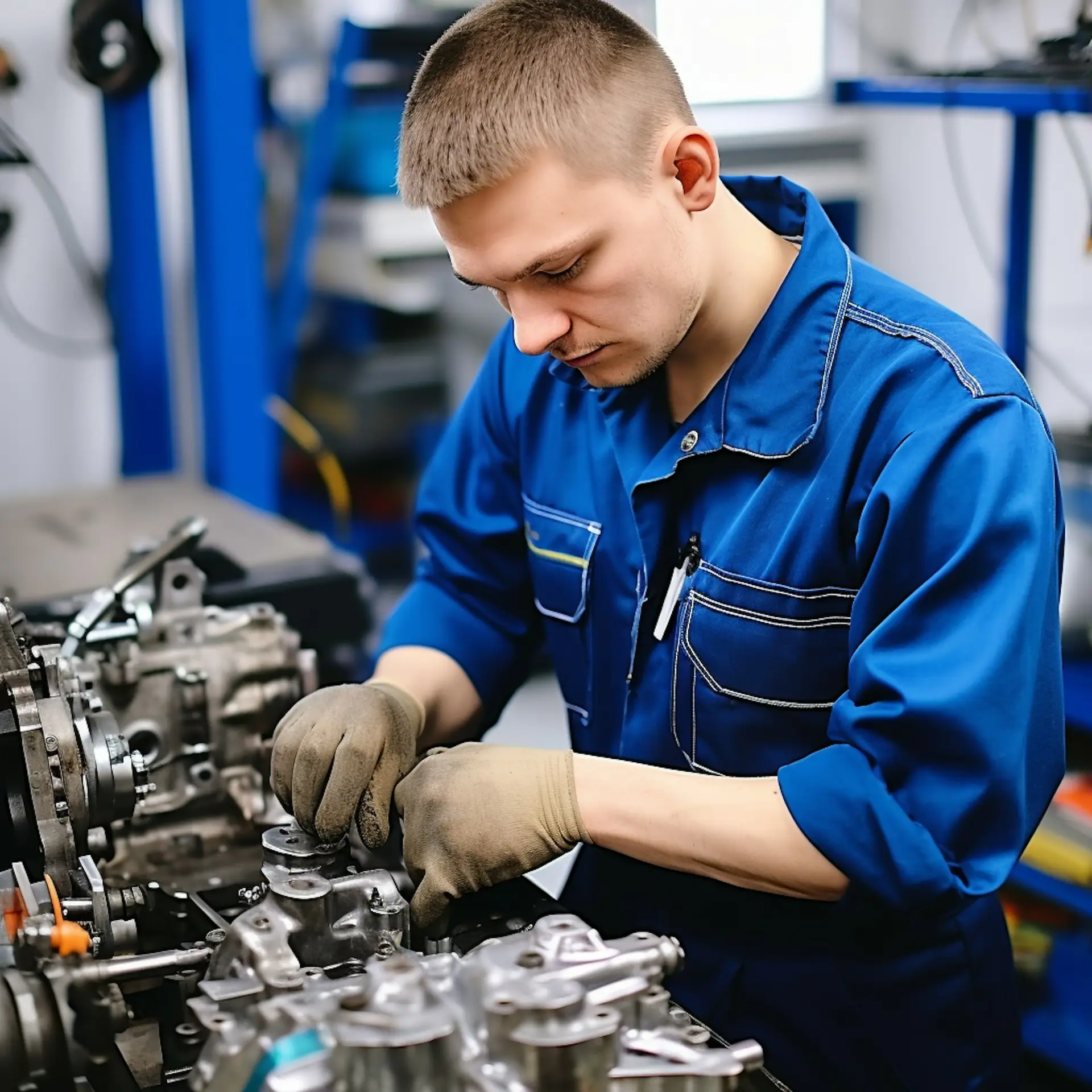

Heart of the Machine: The car engine, often referred to as the “heart” of the vehicle, is an intricate and complex system responsible for converting fuel into mechanical energy, propelling the car forward. Its importance cannot be overstated, as a well-functioning engine is paramount for optimal performance, safety, and longevity of the vehicle.
The engine is essentially the powerhouse of the car, and its health directly impacts every aspect of the driving experience. A healthy engine ensures smooth acceleration, consistent power delivery, and efficient fuel consumption. Moreover, a well-maintained engine contributes significantly to the overall safety of the vehicle. Regular maintenance helps to prevent unexpected breakdowns, which can occur in dangerous situations, such as during highway driving or in inclement weather.
Heart of the Machine
Regular engine maintenance is not merely a matter of preserving performance; it is also a crucial aspect of environmental responsibility. A well-maintained engine operates more efficiently, resulting in lower emissions of harmful pollutants into the atmosphere. This contributes to cleaner air and a healthier environment for everyone.
Heart of the Machine
Maintaining an engine involves a range of tasks, each crucial for its continued health. Regular oil changes are paramount, as engine oil acts as the lifeblood of the engine, lubricating moving parts, reducing friction, and preventing excessive wear and tear. Oil changes also help to remove harmful contaminants, such as metal shavings and carbon deposits, that can build up within the engine over time.
Heart of the Machine
Air and oil filters play a vital role in protecting the engine from harmful contaminants. The air filter prevents dust, dirt, and other airborne particles from entering the engine’s combustion chamber, while the oil filter traps harmful particles from the engine oil, ensuring its cleanliness and effectiveness.
Checking and replenishing vital fluids, such as coolant, transmission fluid, and power steering fluid, is another essential aspect of engine maintenance. These fluids play crucial roles in various engine systems and their levels must be maintained within the recommended ranges to ensure optimal performance and prevent damage.
The timing belt, a critical component within the engine, synchronizes the movement of the engine’s valves and pistons. Replacing the timing belt at recommended intervals is crucial, as failure to do so can lead to catastrophic engine damage, often requiring expensive repairs or even a complete engine replacement.
Neglecting engine maintenance can have significant consequences. Reduced fuel efficiency is a common symptom of engine neglect, as a dirty or worn-out engine requires more fuel to produce the same amount of power. Decreased performance, such as sluggish acceleration and reduced power output, is another telltale sign of engine problems.
Furthermore, engine neglect can lead to increased emissions of harmful pollutants, contributing to air pollution and environmental damage. In severe cases, neglected engine maintenance can result in catastrophic engine failure, leaving the vehicle stranded and requiring costly repairs.
The frequency of engine maintenance varies depending on the specific vehicle, its driving conditions, and the manufacturer’s recommendations. However, most manufacturers recommend a regular maintenance schedule, often outlined in the vehicle’s owner’s manual. This typically includes oil changes at specific mileage intervals, such as every 3,000 to 5,000 miles, and other maintenance tasks at designated points throughout the vehicle’s lifespan.
In conclusion, the car engine is undoubtedly the most critical component of any vehicle. Regular and diligent maintenance is not merely an optional expense; it is an investment in the vehicle’s longevity, performance, and safety. By adhering to a regular maintenance schedule and addressing any potential issues promptly, car owners can ensure their engines remain healthy, efficient, and reliable for many years to come.